Operational example: This is an illustrative scenario, not a named customer engagement or a measured case study.
The Challenge
Consider a manufacturer that uses AutoCrib to control access to consumables and an ERP to track purchases. If dispensing and purchasing data remain separate, finance may struggle to connect usage to costs, allocate spend to jobs, and evaluate the vending investment.
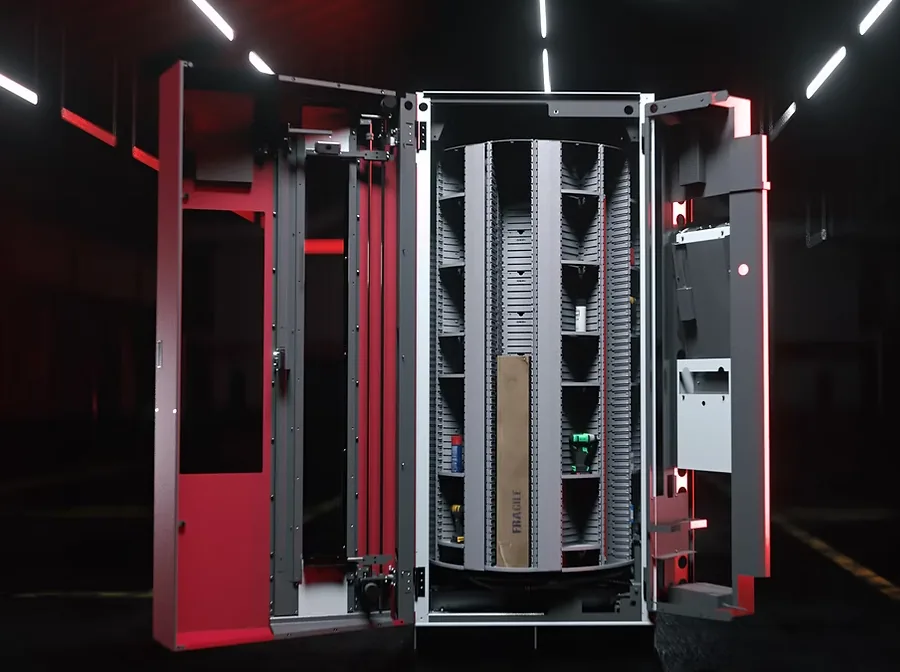
AutoCrib industrial vending machines inside a manufacturing facility
Connecting AutoCrib Usage to Purchasing Costs
A possible approach is to combine AutoCrib dispensing records with ERP purchasing data so the team can compare consumption and cost over time. The usable fields and reporting depend on the available interfaces and how reliably items and sites can be matched.
1. Unified Data Warehouse
Depending on availability, the team could combine:
- AutoCrib vending machine logs
- ERP purchasing history
- Vendor cost and lead time data
- Job costing and work order usage
- Department-level consumption
- Stock levels and replenishment history
Standardize item identifiers, units of measure, and site or department codes before comparing the records.
2. Replenishment Reporting
Once normalized, usage patterns support:
- Suggested min/max levels
- Historical usage trends (illustrative, not predictive)
- Spike detection
- Low-stock alerts
- Overstock identification
- Cost-per-use insights
Track emergency purchases and stockouts during a pilot to see whether revised replenishment rules help.
3. ROI Dashboarding
A dashboard could track:
- Cost trends by department
- Consumption changes over time
- Vendor pricing drift
- Potential waste indicators, such as expired or unused stock
- Pre-vending vs post-vending comparisons
- Tool life performance (cutting tools, PPE, consumables)
- Estimated annual savings based on measured changes
Reporting can support an ROI estimate when the team has a comparable baseline and includes the costs of equipment, integration, and ongoing operation.
How to Evaluate the Pilot
Compare similar periods before and after the change. Account for differences in production volume, item mix, and prices. Track emergency purchases, usage by department, and time spent on reconciliation. Keep labor capacity separate from cash savings, and compare verified savings with implementation and recurring costs before estimating payback.
Key Takeaways
- AutoCrib controls access; connecting its data to the ERP and Vysix BI adds visibility
- ROI estimates need comparable usage and cost data
- Usage history can inform replenishment rules and help teams measure stockout and waste trends
- Data visibility can improve job costing and departmental accountability
- A connected data foundation helps unlock more value from a vending program
Frequently Asked Questions
Can Vysix integrate with vending systems other than AutoCrib?
AutoCrib is the only vending connectivity Vysix has verified today. Other platforms would require integration discovery before a connection can be confirmed.
Does this require changes to the existing ERP?
The required ERP changes depend on its interfaces, data mappings, and approval rules. AutoCrib-to-ERP connectivity is the path Vysix has verified today.
Can Vysix help justify future vending purchases?
Usage and cost reporting through Vysix BI can help build the case, though results vary by facility and we don't promise a specific savings figure.